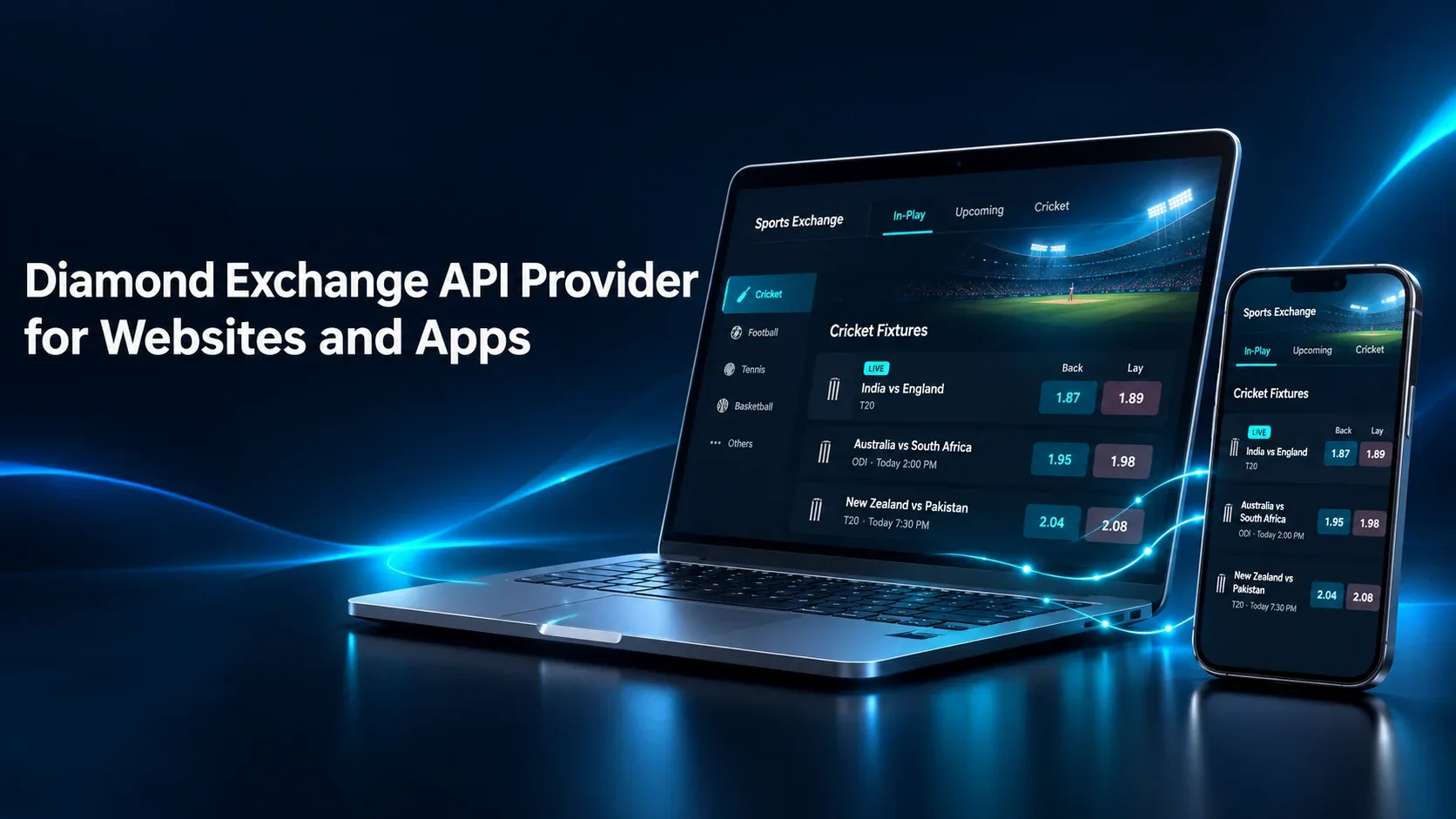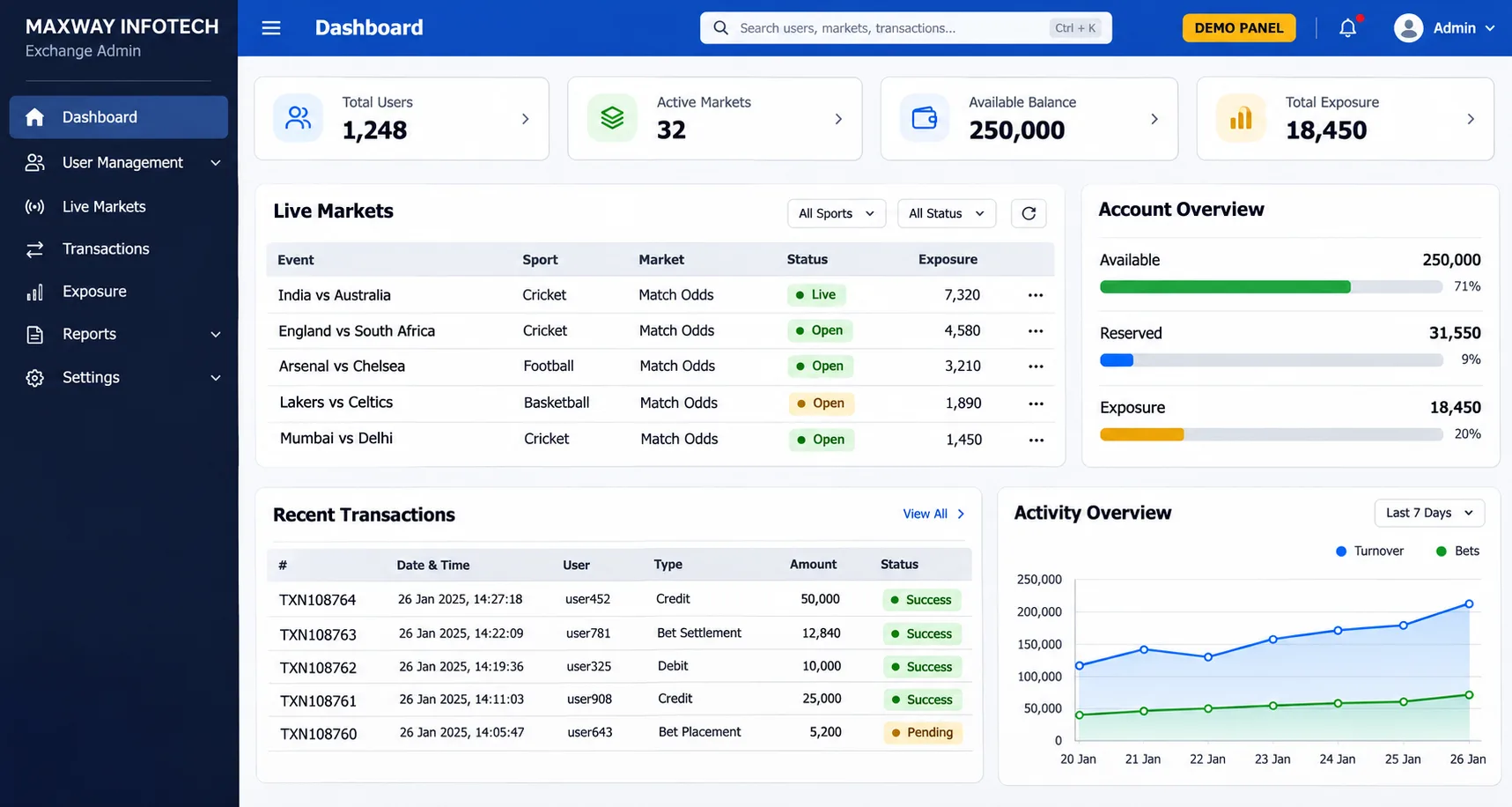
Choosing the right technology partner is one of the most important decisions when building a successful sports betting platform. A reliable Best sports betting API provider can help businesses connect live sports data, real-time odds, betting markets, match schedules, and other essential features to their websites or mobile applications. Whether you are planning to launch a new sportsbook or upgrade an existing platform, understanding the importance of sports betting API solutions can help you make a better decision. Before selecting a provider, it is important to evaluate API performance, data accuracy, integration capabilities, security, scalability, and technical support. The sports betting industry continues to evolve with advancements in technology and increasing demand for real-time sports information. Users expect fast updates, accurate match details, smooth navigation, and a seamless betting experience. To meet these expectations, businesses need a dependable API solution that supports their operational and technical requirements. However, with multiple providers available in the market, choosing the right one can become challenging. In this article, we will explore the essential factors to consider when selecting a sports betting API provider and explain how the right integration partner can support your business growth. A sports betting API provider is a technology company that offers Application Programming Interfaces (APIs) to connect sports betting websites, mobile applications, and sportsbook platforms with external sports data systems. In simple terms, an API works as a communication bridge between different software applications. It allows your platform to receive and display sports-related information without developing every data component independently. Depending on the API and its capabilities, businesses can access: Live sports scores and match updates. Pre-match and live betting odds. Sports fixtures and schedules. Different betting markets. Match results and statistics. Team and player information. Event status updates. Settlement-related information. A reliable API makes it easier to manage sports information and deliver a consistent experience across different devices. For example, if you are developing a cricket or football betting platform, an API can help your application retrieve match schedules, live scores, and available odds from supported data sources. Selecting an API should involve more than comparing prices or checking the number of supported sports. You need to understand how well the solution fits your business model and technical infrastructure. Here are ten important factors to evaluate before making your decision. The first thing to consider is the range of sports and competitions supported by the API. Different businesses target different audiences. Some platforms primarily focus on cricket, while others provide betting-related functionality for football, tennis, basketball, and other sports. Before selecting a provider, check whether it supports: International and domestic cricket tournaments. Major football leagues and competitions. Tennis tournaments. Basketball competitions. Volleyball and other popular sports. Esports, where supported. Different pre-match and live betting markets. Do not select an API simply because it advertises a large number of sports. Instead, confirm whether it provides the specific leagues, tournaments, events, and markets your target audience needs. A Best sports betting API provider should offer suitable sports coverage based on your business requirements. Data accuracy and update frequency are essential for sports betting platforms. Users expect match information and odds to remain updated, especially when sporting events are happening live. Delayed or inconsistent data can negatively affect the user experience and create operational problems. Before choosing an API, ask the provider about: Live score update frequency. Odds refresh intervals. Match status synchronization. Data accuracy and validation. Event update delivery methods. API response times and latency. You should also understand whether the provider supports real-time data delivery through webhooks, streaming connections, or regular API requests. A technically reliable solution should provide clear information about data delivery and expected performance. Good API documentation makes the integration process easier for developers. Without proper documentation, your development team may spend additional time understanding API endpoints, authentication methods, response structures, and error-handling processes. Before choosing a Best sports betting API provider, review its technical documentation carefully. Make sure it includes: API endpoints and parameters. Authentication instructions. Request and response examples. Error codes and troubleshooting guidance. Rate limits and usage restrictions. Webhook documentation. Testing or sandbox environment details. Developer support is equally important. Ask whether technical assistance is available during implementation and whether the provider helps resolve integration-related issues. A provider with clear documentation and responsive technical support can make the development process more manageable. Every sportsbook has a different technical structure. Some businesses need a completely new platform, while others already have a website or mobile application. Therefore, flexibility is an important factor when evaluating API solutions. Sports betting API integration involves connecting an external API with your platform's frontend, backend, database, and other required systems. A professional integration should consider: Existing website architecture. Mobile application compatibility. Backend and database connectivity. User account management. Wallet integration. Admin dashboard connectivity. Data synchronization. Error handling and monitoring. You should also confirm whether the API can work with your existing technology stack. Choosing a flexible solution can help reduce unnecessary development work and make future platform improvements easier. Security should never be overlooked when developing a sports betting platform. Your application may handle sensitive user information, account credentials, API authentication details, and transaction-related data. Therefore, the API architecture should follow appropriate security practices. Important security considerations include: Secure API authentication. HTTPS communication. Proper API key management. Access control and authorization. Secure database connectivity. Input validation. Activity logging and monitoring. Protection against unauthorized access. You should also understand how the provider handles data security and what responsibilities belong to your development team. A reliable technology partner should explain its security practices and help implement appropriate protection measures throughout the integration process. Your platform may initially have a limited number of users, but its traffic and functionality requirements can increase over time. For example, during major cricket tournaments or international football competitions, the number of users accessing live match information may increase significantly. Your selected API should be suitable for your expected traffic and future business requirements. Consider these questions: Can the API handle increasing request volumes? Are there clearly defined rate limits? Does the provider offer different usage plans? Can the integration support additional sports? Is the infrastructure designed for consistent performance? What happens when the API becomes temporarily unavailable? Scalability also depends on your own backend architecture, caching strategy, database design, and infrastructure. A Best sports betting API provider should be evaluated according to how well its capabilities support your current and future platform requirements. Pricing is another important consideration when selecting an API provider. Different providers may follow different pricing structures depending on sports coverage, data access, usage limits, supported markets, and integration requirements. Some providers may charge based on monthly subscriptions, API requests, selected features, or customized commercial agreements. Before making a decision, understand: Initial setup costs. Monthly or annual subscription fees. API request limits. Additional sports or market charges. Integration and development costs. Maintenance expenses. Upgrade and support charges. Do not automatically select the cheapest option. A low-cost API may have limited sports coverage, restricted usage, or insufficient technical support. Compare the overall value rather than focusing only on the initial price. Not every sportsbook operates in the same way. Some businesses require specific sports, custom dashboards, unique interfaces, or additional backend functionality. Therefore, customization should be considered before selecting a provider. A flexible sports betting API company should understand your project requirements and help determine how the selected API can work with your platform. For example, your business may need: Custom sports and match pages. Personalized odds displays. Different market configurations. Custom admin dashboards. Multi-device compatibility. Additional third-party integrations. Customized reporting functionality. You should also discuss whether the development partner can support additional features after the initial launch. Customization helps ensure that your platform is developed around your business requirements instead of forcing your business to follow a fixed technical structure. API integration does not end once the connection is established. The complete system needs proper testing to identify technical issues before deployment. Ask whether the API provider offers a sandbox or testing environment where developers can examine API responses and test different integration scenarios. Your testing process should cover: API authentication. Data synchronization. Match and odds updates. Error responses. Performance under expected traffic. Frontend compatibility. Backend communication. API downtime and recovery scenarios. You should also clarify what support is available after deployment. Reliable technical assistance can help resolve issues related to API changes, integration errors, performance, and future upgrades. Before launching a sports betting platform, understand the legal and regulatory requirements applicable to your target markets. Sports betting regulations can differ significantly between countries and regions. API availability does not automatically mean that your business is legally permitted to offer betting services in a particular location. Consider the following: Local gambling and betting regulations. Licensing requirements. Age restrictions. Data protection obligations. Payment-related regulations. Responsible gambling requirements. Contractual and commercial conditions. Consult qualified legal and compliance professionals before launching or operating a betting platform. Choosing the right technology partner should go hand in hand with understanding your legal responsibilities. A professional sports betting API integration service involves more than connecting an API endpoint to a website. It requires proper planning, development, configuration, testing, and deployment to ensure that different platform components communicate correctly. A complete integration project may include the following services: The development team reviews your business objectives, required sports, target audience, technical infrastructure, and expected functionality. The backend manages communication between the external API, database, frontend, and other connected systems. Sports data should be displayed through a clean and responsive interface. Users should be able to navigate sports categories, match information, odds, and available markets easily. Depending on your business model, the platform may require wallet connectivity, user accounts, transaction management, and administrative controls. Before launching, developers should test API responses, data synchronization, security, performance, and error-handling mechanisms. Businesses looking for additional technology capabilities can also explore website and software development solutions to understand how different development services can support their platform. Although these terms are sometimes used interchangeably, they can refer to different functionalities. A sports betting API may provide a broader set of sportsbook-related features, while a sports odds API primarily focuses on odds and associated sports information. Feature Sports Betting API Sports Odds API Live scores Depending on the API Depending on the API Match schedules Commonly supported Commonly supported Pre-match odds Depending on the API Core functionality Live odds Depending on the API Depending on the API Betting markets May be supported May be supported Settlement data Depending on the API Not necessarily included Platform integration Supported through development Supported through development If your primary requirement is odds data, explore Maxway Infotech's Sports Odds API solutions. For businesses focusing on cricket, Cricket Betting API solutions can also be relevant for accessing cricket-related information, live scores, odds, and supported betting markets. Selecting a technology partner is just as important as selecting the API itself. A good development partner should understand your business requirements and help connect the API with the complete sportsbook architecture. At Maxway Infotech, we provide customized technology and development solutions for businesses planning to build or upgrade sports betting platforms. Our services can cover: Sports betting API integration. Real-time sports data connectivity. Pre-match and live odds integration. Website and mobile application development. Backend and database development. Admin dashboard development. Custom UI/UX development. Third-party API connectivity. Testing and deployment. Our approach focuses on developing solutions according to individual project requirements rather than following a fixed development structure. Similarly, companies that need complete administrative and management functionality can explore our All Panel API Provider solutions. Before finalizing a development company, consider the following: Technical experience with API-based platforms. Understanding of sportsbook architecture. Ability to customize frontend and backend functionality. Transparent project communication. Proper testing and quality assurance. Post-deployment technical assistance. Clear project scope and commercial terms. A dependable technology partner should be able to explain the complete integration process and help you understand the technical requirements before development begins. Even businesses with clear development goals can make mistakes while selecting an API provider. Here are some common issues you should avoid: Choosing an API Based Only on Price: A low-cost solution may not provide the required functionality, performance, or technical assistance. Ignoring Data Accuracy: Incorrect or delayed sports information can affect the overall platform experience. Overlooking Documentation: Poor documentation can increase development complexity and delay integration. Not Checking Scalability: Your API and backend should be suitable for expected traffic and future expansion. Ignoring Security Requirements: Always review authentication, access control, and data protection practices. Skipping Proper Testing: Testing should be completed before the platform is made available to users. Not Reviewing Legal Requirements: Always understand the applicable laws, licensing conditions, and compliance obligations before launching. Avoiding these mistakes can help you make a more informed technology decision. The Best sports betting API provider is one that offers reliable sports data, accurate odds, suitable sports coverage, clear documentation, secure connectivity, and flexible integration options. The right choice depends on your business requirements and target market. A sports betting API connects your website or mobile application with an external data source. It retrieves supported information such as match schedules, live scores, odds, and betting markets, which your platform can process and display. Look for live sports data, accurate odds, multiple sports, betting markets, API documentation, security, scalability, testing facilities, and technical support. The cost depends on the selected API, sports coverage, usage limits, development complexity, customization, and additional integrations. Request a project-specific estimate before making a decision. Yes. An API can be integrated into an existing website or mobile application if the selected API is compatible with your current technology stack and architecture. API documentation explains how developers can connect, authenticate, and communicate with an API. Proper documentation reduces integration difficulties and helps developers troubleshoot technical issues. The timeline depends on the number of APIs, required sports, platform architecture, frontend and backend development, customization, and testing requirements. Yes. Depending on the selected API, it may support cricket, football, tennis, basketball, volleyball, and other sports. Always confirm the available competitions and data coverage. A sports data API generally provides information such as scores, fixtures, statistics, and match details. A sports betting API may offer additional betting-related functionality, including odds and markets, depending on its capabilities. A professional development company can help with API selection, technical planning, backend development, frontend integration, testing, and ongoing maintenance. This makes it easier to develop a platform around your specific requirements. Choosing the Best sports betting API provider requires careful consideration of several technical and business factors. Sports coverage, real-time data accuracy, security, scalability, pricing, documentation, and integration flexibility all contribute to the success of a sportsbook platform. Instead of selecting an API based only on its advertised features, evaluate how well it supports your business requirements and long-term development goals. If you are planning to launch a new sportsbook or improve an existing platform, Maxway Infotech can help you with customized API integration, backend development, website development, and mobile application solutions. Our team focuses on understanding your requirements and developing technology solutions that support your business objectives.What Is a Sports Betting API Provider?
10 Important Factors to Consider When Choosing the Best Sports Betting API Provider
1. Check Sports Coverage and Market Availability
2. Evaluate Real-Time Data Accuracy and Speed
3. Review API Documentation and Developer Support
4. Understand Sports Betting API Integration Capabilities
5. Prioritize Security and Data Protection
6. Check Scalability and Performance
7. Compare Pricing and Commercial Terms
8. Evaluate Customization and Integration Flexibility
9. Check Testing Facilities and Ongoing Technical Support
10. Consider Legal Compliance and Business Requirements
What Is Included in a Professional Sports Betting API Integration Service?
API Planning and Requirement Analysis
Backend API Development
Frontend Development
Wallet and User Management Integration
Testing and Deployment
Sports Betting API vs Sports Odds API: What Is the Difference?
Why Choose Maxway Infotech for Sports Betting API Integration?
What Makes a Good Technology Partner?
Common Mistakes to Avoid When Selecting a Sports Betting API
Frequently Asked Questions (FAQs)
1. What is the Best Sports Betting API Provider?
2. How Does a Sports Betting API Work?
3. What Features Should I Look for in a Sports Betting API?
4. How Much Does Sports Betting API Integration Cost?
5. Can I Integrate a Sports Betting API Into an Existing Website?
6. Why Is API Documentation Important?
7. How Long Does Sports Betting API Integration Take?
8. Can a Sports Betting API Support Multiple Sports?
9. What Is the Difference Between a Sports Betting API and a Sports Data API?
10. Why Should I Hire a Professional Sports Betting API Company?
Conclusion: Make the Right Choice for Your Sports Betting Platform

In this article 34 sections
- What Is a Sports Betting API Provider?
- 10 Important Factors to Consider When Choosing the Best Sports Betting API Provider
- 1. Check Sports Coverage and Market Availability
- 2. Evaluate Real-Time Data Accuracy and Speed
- 3. Review API Documentation and Developer Support
- 4. Understand Sports Betting API Integration Capabilities
- 5. Prioritize Security and Data Protection
- 6. Check Scalability and Performance
- 7. Compare Pricing and Commercial Terms
- 8. Evaluate Customization and Integration Flexibility
- 9. Check Testing Facilities and Ongoing Technical Support
- 10. Consider Legal Compliance and Business Requirements
- What Is Included in a Professional Sports Betting API Integration Service?
- API Planning and Requirement Analysis
- Backend API Development
- Frontend Development
- Wallet and User Management Integration
- Testing and Deployment
- Sports Betting API vs Sports Odds API: What Is the Difference?
- Why Choose Maxway Infotech for Sports Betting API Integration?
- What Makes a Good Technology Partner?
- Common Mistakes to Avoid When Selecting a Sports Betting API
- Frequently Asked Questions (FAQs)
- 1. What is the Best Sports Betting API Provider?
- 2. How Does a Sports Betting API Work?
- 3. What Features Should I Look for in a Sports Betting API?
- 4. How Much Does Sports Betting API Integration Cost?
- 5. Can I Integrate a Sports Betting API Into an Existing Website?
- 6. Why Is API Documentation Important?
- 7. How Long Does Sports Betting API Integration Take?
- 8. Can a Sports Betting API Support Multiple Sports?
- 9. What Is the Difference Between a Sports Betting API and a Sports Data API?
- 10. Why Should I Hire a Professional Sports Betting API Company?
- Conclusion: Make the Right Choice for Your Sports Betting Platform