
Reddy Anna Panel Provider – Features, Technology, and Platform Solutions
Introduction to Reddy Anna Panel Provider
A Reddy Anna Panel Provider is a term used to describe a service provider offering software and panel-based solutions associated with the Reddy Anna brand. Businesses researching these services should carefully evaluate the provider's technical capabilities, software quality, security practices, and compliance requirements before choosing a solution.
A well-designed digital panel can help authorized administrators manage platform settings, organize user information, monitor system performance, and access important operational tools through a centralized interface. The quality of the underlying technology and the reliability of the service provider are important factors in determining whether a platform can meet its intended requirements.
When comparing providers, businesses should prioritize transparent service terms, documented functionality, dependable technical assistance, and responsible data management.
What Is a Reddy Anna Panel Provider?
A Reddy Anna Panel Provider generally refers to a company or service provider associated with supplying, developing, or maintaining a panel-based digital platform using the Reddy Anna name.
The exact services offered can vary between providers. Some may focus on software development, while others may offer configuration, maintenance, hosting coordination, or technical support.
Before selecting a provider, it is important to confirm what the service actually includes. Businesses should request a demonstration, review the software documentation, and establish whether the provider has the necessary rights to offer the relevant branding and technology.
Clear information helps customers understand the difference between a software vendor, a technical development partner, and a platform operator.
Key Features to Evaluate in a Reddy Anna Panel
1. User-Friendly Interface
A straightforward interface makes it easier for authorized users to navigate the platform. Organized menus, clearly labeled controls, and accessible dashboards can reduce confusion and improve routine administration.
The interface should also be tested on different screen sizes to ensure that important functions remain easy to use on supported devices.
2. Centralized Administration
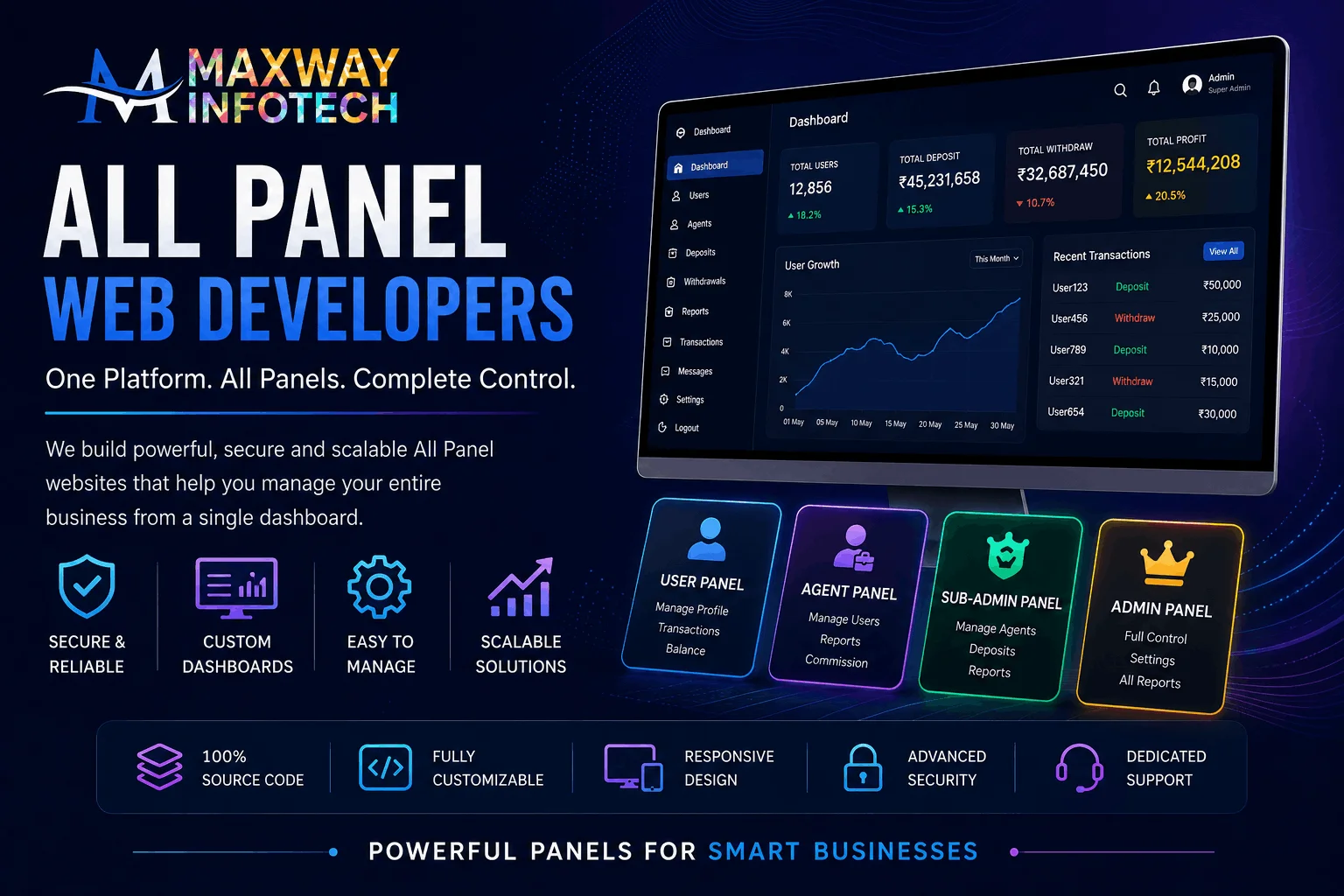
A centralized dashboard can bring essential administrative functions together in one place. Depending on the software, this may include user management, configuration settings, activity reports, and technical notifications.
Centralized administration can improve visibility and reduce the need to switch between separate tools.
3. Account Management and Access Control
Account-management tools help administrators manage authorized users and assign appropriate permissions. Role-based access controls can limit access to sensitive information and reduce the risk of unauthorized changes.
Providers should explain their authentication methods, password policies, and procedures for managing access when staff members join or leave an organization.
4. Performance and Reliability
A dependable platform should perform consistently under its expected workload. Software architecture, server configuration, database management, and regular maintenance all contribute to overall performance.
Ask the provider about uptime commitments, monitoring arrangements, backup procedures, and how technical problems are identified and resolved.
5. Reporting and Monitoring Tools
Reporting features can help administrators understand platform activity and identify operational issues. Depending on the intended use, these tools may include system logs, usage summaries, error reports, and performance metrics.
Reports should be accurate, protected against unauthorized access, and designed to support informed operational decisions.
Benefits of Choosing a Professional Panel Provider
Improved Operational Efficiency
A well-organized digital platform can simplify routine administrative tasks. By bringing relevant functions into a common interface, the software may help authorized teams manage their responsibilities more efficiently.
This can also make it easier to establish consistent procedures and reduce unnecessary manual work.
Customization Options
Different organizations have different requirements. A professional development provider may offer configurable layouts, branding options, dashboard settings, and integrations with compatible systems.
Before signing an agreement, clarify which features are included in the standard service and which require additional development or payment.
Flexible Infrastructure
As an organization's needs change, its software may need additional capacity or new functionality. Scalable infrastructure can make it easier to accommodate changing workloads without replacing the entire system.
Ask about upgrade options, technical limitations, and the costs associated with expanding the platform.
Ongoing Technical Assistance
Software needs regular updates, maintenance, and troubleshooting. A suitable provider should have a clear support process and explain how customers can report technical problems.
Written support terms should identify available support channels, response expectations, maintenance responsibilities, and any additional charges.
How to Choose the Best Reddy Anna Panel Provider
Selecting a provider requires more than comparing advertisements. Businesses should examine the actual service, its technical quality, and the terms under which it is offered.
Verify the Provider's Credentials
Review the provider's business information, documented experience, and relevant development portfolio. Ask for a product demonstration and confirm that the provider is authorized to supply the software and use any associated branding.
Avoid relying exclusively on promotional statements or unverified testimonials.
Review Security Measures
Security should be considered throughout the software development process. Important safeguards may include encrypted connections, secure authentication, role-based permissions, regular updates, and protected backups.
If the platform handles personal or financial information, ask how the provider protects that data and responds to potential security incidents.
Compare Pricing and Contract Terms
Request a written quotation that explains the full cost of the service. The quotation should identify development charges, licensing, hosting, maintenance, upgrades, and technical support.
Review ownership rights, renewal conditions, cancellation policies, and responsibilities for future software updates before making a commitment.
Test the Platform Before Purchase
A demonstration or testing environment can help confirm whether the software meets your requirements. Evaluate its interface, core functionality, performance, and access controls.
For complex systems, independent technical and security testing may provide additional confidence before deployment.
Understanding the Reddy Anna Panel Development Process
Step 1: Requirement Planning
Begin by defining the platform's intended purpose, target users, required features, budget, and technical limitations. A clear scope helps prevent misunderstandings later in the project.
Step 2: Interface Design
Create an initial design showing how users will navigate the software. Review the dashboard, menus, and important workflows before moving into full development.
Step 3: Software Development
The development team builds the agreed functionality using appropriate technologies and documented coding practices. Project milestones should be recorded so that progress can be reviewed objectively.
Step 4: Testing and Quality Assurance
Test the software for functionality, usability, performance, and security. Identify and resolve problems before the system is released for its intended use.
Step 5: Deployment and Maintenance
After successful testing, deploy the software in an appropriately configured environment. Establish a maintenance schedule that covers updates, monitoring, backups, and technical support.
Importance of Legal Compliance and Responsible Operations
Businesses should understand the laws applicable to their intended platform before purchasing or launching a service. Requirements may vary depending on the platform's functionality, the location of its users, and whether it involves financial transactions, wagering, or other regulated activities.
Where relevant, obtain qualified legal advice regarding licensing, data protection, consumer safeguards, and other applicable obligations. A software provider's claims do not replace the operator's responsibility to comply with the law.
It is also important to verify ownership rights, protect customer information, and maintain transparent service policies.
Common Mistakes to Avoid
Choosing a provider solely because of a low price can lead to unexpected costs or inadequate technical support. Businesses should also avoid accepting unrealistic delivery promises without reviewing the project scope.
Other common mistakes include failing to check software ownership, overlooking recurring fees, ignoring security requirements, and launching without sufficient testing.
Always use written agreements, verify the provider's credentials, and avoid sharing sensitive account credentials with unverified individuals.
Future of Panel-Based Digital Platforms
Digital platforms continue to evolve through cloud computing, automation, responsive design, data analytics, and improved security technologies. These developments can help organizations build more flexible systems and improve operational visibility.
However, technology alone cannot guarantee successful outcomes. Long-term reliability also depends on responsible administration, regular maintenance, transparent policies, and appropriate technical support.
Organizations that review their requirements regularly and invest in software quality are better positioned to adapt to changing needs.
Conclusion
Choosing a Reddy Anna Panel Provider requires careful evaluation of software features, technical reliability, security, customization, pricing, and support. A suitable provider should offer clear documentation, realistic commitments, transparent contractual terms, and a structured development and maintenance process.
Before making a final decision, compare available providers, request a demonstration, and verify that the service is legally authorized for its intended use. Careful research can help businesses make more informed technology decisions and establish a reliable foundation for their digital operations.