
Diamond Exchange Panel Provider – Reliable Technology for Modern Exchange Platforms
Introduction to Diamond Exchange Panel Provider
A Diamond Exchange Panel Provider offers technology solutions designed to build and manage online exchange platforms. Businesses looking to establish a digital exchange system often require a combination of reliable software, user-friendly interfaces, efficient account management, and secure technical infrastructure. Choosing the right provider can help simplify platform development and support long-term business growth.
A well-developed exchange panel should focus on performance, accessibility, system stability, and transparent operational processes. Whether a business is exploring a new platform or upgrading an existing system, understanding the available features and technical requirements is an important first step.
What Is a Diamond Exchange Panel?
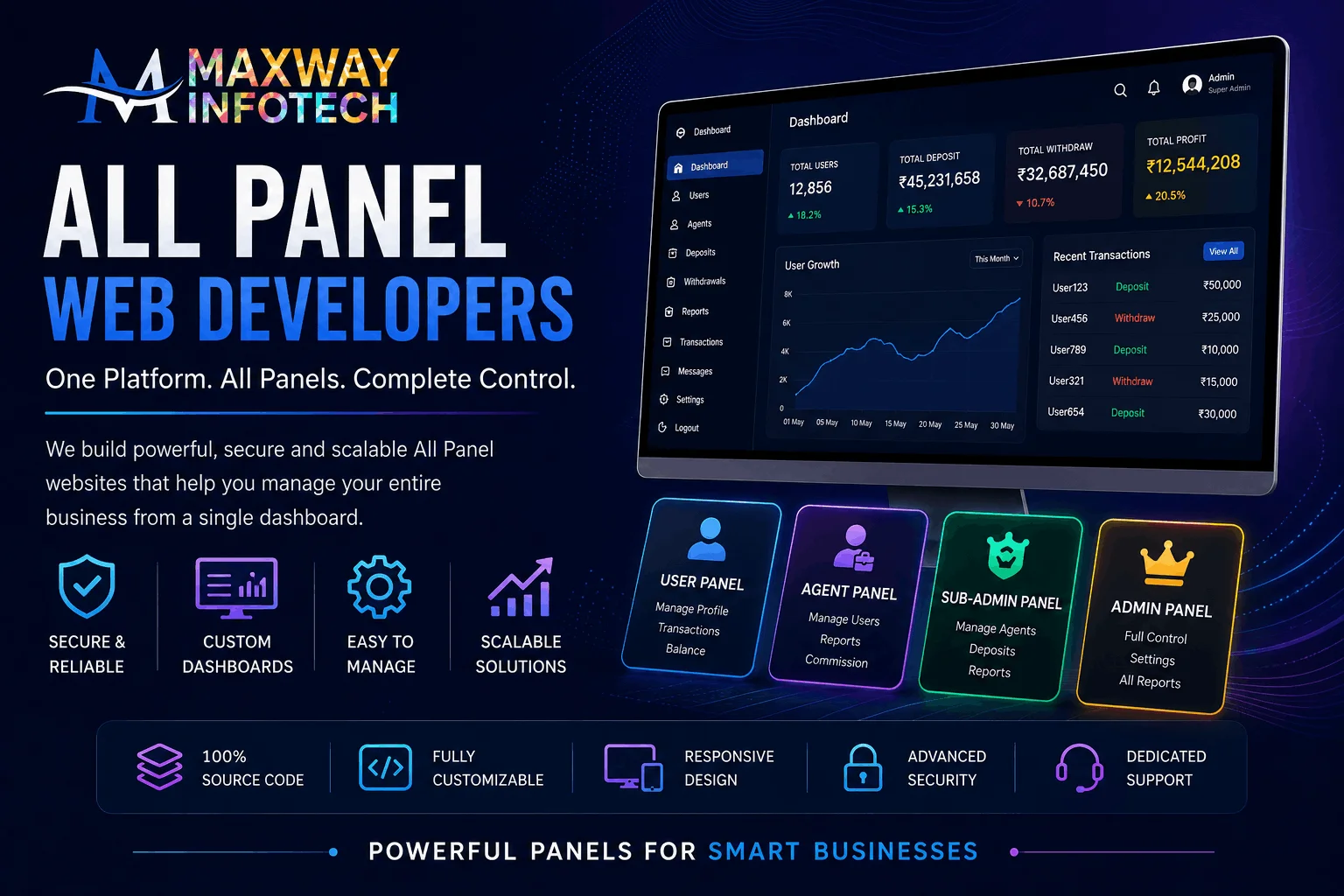
A Diamond Exchange Panel is a software interface designed to help administrators manage platform operations, user accounts, available services, and system settings from a centralized dashboard. Its exact functionality depends on the provider, intended use, and applicable legal requirements.
A properly developed panel can bring essential management tools together in one place. This makes it easier for authorized administrators to review activity, configure settings, manage access permissions, and monitor system performance without switching between multiple applications.
Businesses should evaluate the panel's intended purpose and confirm that its functionality complies with the laws and regulations applicable to their operations.
Key Features of a Diamond Exchange Panel Provider
When evaluating a Diamond Exchange Panel Provider, businesses should look beyond promotional claims and examine the actual capabilities of the software.
1. User-Friendly Dashboard
An intuitive dashboard helps administrators navigate important functions efficiently. Clear menus, organized information, and straightforward controls can reduce the learning curve for new users.
A responsive interface should also make essential features accessible across supported desktop and mobile devices.
2. Secure User Management
User management is an important component of any exchange platform. Suitable software may provide account creation, role-based permissions, password management, and access controls.
Providers should explain how user information is protected and what security measures are available to prevent unauthorized access.
3. Performance and System Stability
A platform should be designed to handle its expected workload without unnecessary delays or interruptions. Performance depends on factors such as hosting infrastructure, software architecture, database configuration, and ongoing maintenance.
Ask the provider about system monitoring, backup procedures, incident response, and service-level commitments before making a decision.
4. Mobile Compatibility
Many users prefer accessing digital services through smartphones and tablets. A mobile-friendly interface can make navigation more convenient while maintaining a consistent experience across different screen sizes.
Businesses should test the panel on supported browsers and devices before deployment.
5. Reporting and Analytics
Reporting tools can help authorized administrators understand platform usage, identify technical issues, and review operational activity.
Useful reporting capabilities may include activity summaries, system logs, user-management reports, and performance indicators. Reports should be accurate, appropriately protected, and accessible only to authorized personnel.
Benefits of Choosing the Right Diamond Exchange Panel Provider
Selecting a suitable provider can help businesses establish a more organized and maintainable digital platform.
Improved Operational Efficiency
A centralized management system can reduce repetitive administrative work. When related functions are available through one interface, authorized teams can manage routine activities more efficiently.
Customization Options
Different businesses have different technical requirements. A provider may offer configurable dashboards, branding options, permission settings, and integrations with compatible services.
Before purchasing a solution, clarify which features are included in the standard package and which require additional development or fees.
Scalable Infrastructure
Business requirements can change as a platform develops. Scalable architecture allows the technical infrastructure to be adjusted as traffic, storage needs, or operational complexity increases.
Ask about expected capacity, upgrade options, and the potential costs associated with expansion.
Technical Support and Maintenance
Software requires regular updates, troubleshooting, and security reviews. A dependable provider should explain its support channels, maintenance schedule, response times, and process for handling technical incidents.
Written support commitments are more useful than relying entirely on verbal assurances.
How to Choose the Best Diamond Exchange Panel Provider
Finding an appropriate provider requires careful comparison. The best option is not necessarily the cheapest or the one making the biggest promises.
Evaluate Technical Experience
Review the provider's documented experience, development process, and relevant portfolio. Request a demonstration of the actual software and ask for clear explanations of its technical architecture.
Verify business credentials and references wherever possible.
Review Security Practices
Security should be a priority from the beginning of development. Look for appropriate encryption, secure authentication, access controls, software updates, and data-backup procedures.
If the platform processes personal or financial information, ask how the provider handles data protection, incident reporting, and applicable compliance requirements.
Compare Pricing and Contract Terms
Request a written quotation that separates development costs, hosting, maintenance, licensing, integrations, and ongoing support.
Check whether the agreement explains ownership of the software, intellectual property rights, renewal fees, cancellation terms, and responsibility for future updates.
Test Before Launch
A demonstration or controlled testing environment can help identify usability issues before deployment. Test the core features, review error handling, verify access permissions, and confirm that the platform works as described.
Independent security testing may also be appropriate for platforms handling sensitive information.
Importance of Legal Compliance
Legal compliance is an essential consideration when developing or operating an exchange platform. Requirements depend on the platform's actual activities, target markets, payment functionality, and applicable local laws.
Businesses should obtain appropriate legal advice before launching services involving financial transactions, wagering, or other regulated activities. A software provider's assurances do not replace the operator's responsibility to meet relevant licensing, consumer-protection, privacy, and reporting obligations.
A professional development process should include clear documentation of the platform's permitted use and the responsibilities of each party.
Diamond Exchange Panel Development Process
A structured development process can help reduce uncertainty and improve the quality of the final product.
Step 1: Requirement Analysis
Define the platform's purpose, intended users, required features, security needs, and technical constraints. Establish a realistic project budget and timeline.
Step 2: UI and UX Design
Prepare interface layouts and user journeys before beginning full development. Review the design with relevant stakeholders and make necessary improvements.
Step 3: Software Development
Develop the approved functionality using suitable technologies and documented coding practices. Keep the project scope and delivery milestones clearly defined.
Step 4: Testing and Quality Assurance
Test functionality, performance, accessibility, and security. Resolve identified issues and verify that the software meets the agreed requirements.
Step 5: Deployment and Maintenance
Deploy the system in an appropriately configured environment. Establish backups, monitoring, security updates, and a documented support process.
Common Mistakes to Avoid
Businesses should avoid selecting a provider solely because of a low advertised price or an unrealistic delivery promise. Other common mistakes include failing to verify ownership rights, overlooking recurring fees, ignoring security requirements, and launching without sufficient testing.
It is also important to avoid sharing sensitive credentials with unverified vendors. Use written agreements, documented access permissions, and appropriate security procedures throughout the project.
Future of Digital Exchange Platforms
Digital platforms continue to evolve through improvements in cloud infrastructure, automation, responsive design, analytics, and security engineering. These technologies can help businesses develop more adaptable systems and improve operational visibility.
However, technology alone does not guarantee business success. Long-term results also depend on reliable support, responsible management, transparent policies, user trust, and compliance with applicable regulations.
Businesses that regularly review their technical requirements and invest in appropriate maintenance are better positioned to manage changing operational needs.
Conclusion
Choosing the right Diamond Exchange Panel Provider involves evaluating software quality, security, customization, scalability, support, and legal compliance. A reliable development partner should offer clear documentation, realistic commitments, transparent pricing, and a structured approach to testing and maintenance.
Before making a final decision, compare multiple providers, request a detailed demonstration, and verify the terms of the agreement. Careful planning can help businesses choose a technology solution that meets their requirements while supporting responsible and sustainable operations.